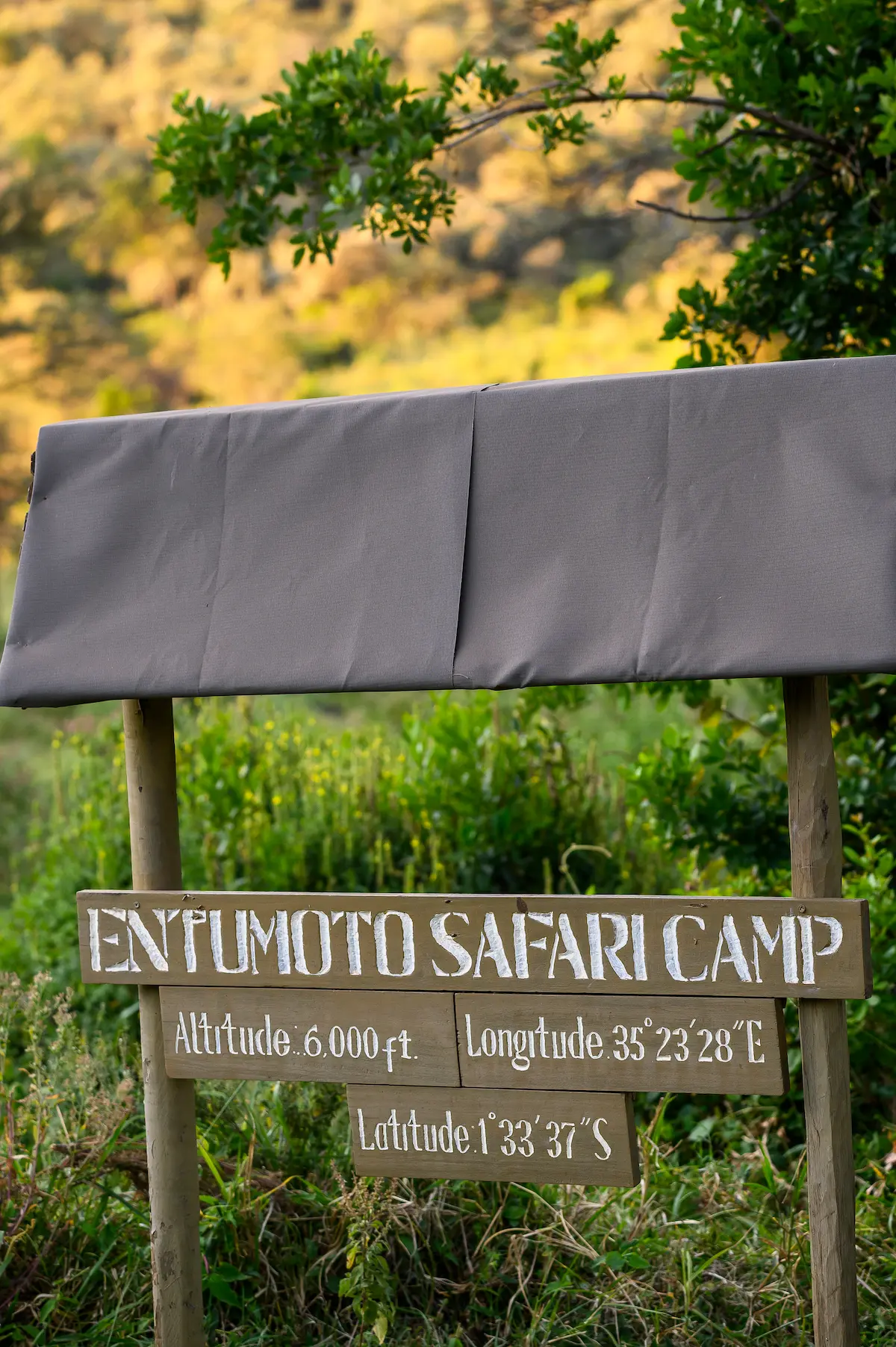
Nimbus clouds stretch over the Mara hills. A young girl, with dried-out firewood gripped under her armpit, dressed in a deep purple checkered dress and canvas bag on her back, turns into a large blue gate. At the top, the print reads Sekenani Boarding Primary School. Entumoto Safari Camp sits within Mara Siana Conservancy that is also home to the school.
The Land
The land this camp sits on was once famous for the hunting of the black-maned lion and huge tusked elephants. This came to an end with the hunting ban in the 1970s. Once that was enacted, the Siana conservancy was founded and backed by the EU. The land was to be carved into settlement plots which would have affected the wildlife corridor in the Sekenani valley. This later failed through mismanagement of the land and lack of proper governing leading to overgrazing by the local communities. Entumoto approached the community with a conservation-based proposal to lease the land which would protect the wildlife corridor to the Mara. Rimoine Ole Kararei, who grew up on this land and Karl von Heland, a Swede whose family connection to East Africa runs three generations, stood alongside Hundreds of landowners under a tree on the 31st of March 2014 to sign their land for Entumoto to lease. With Mr Moses Sikona who was chairing the meeting, they called it Mara Siana Conservancy.
The Conservancy
This single gathering created the wildlife corridor linking Siana and the Maasai Mara. The conservancy is approximately 35,322 acres with around 1,951 landowner families. Mara Siana is one of 24 conservancies in the Mara which together are collectively larger than the Maasai Mara National Reserve itself. Today it holds 86% of the region’s wildlife compared to just 14% in the reserve itself.
The Founders
Rimoine Ole Kararei’s father, a Maasai elder with four wives, chose Rimoine to further his studies in Nairobi. Rimoine had shown a true interest and aptitude for school. Kjell Nordenskiöld , who was working with SIDA at the time, was known for supporting Maasai students attending university. Kjell gave Rimoine a room to stay. Through Kjell, Rimoine met Jacob, Karl Von Heland’s older son. Jacob and Rimoine became inseparable. So much that Rimoine’s mother ended up adopting Jacob.
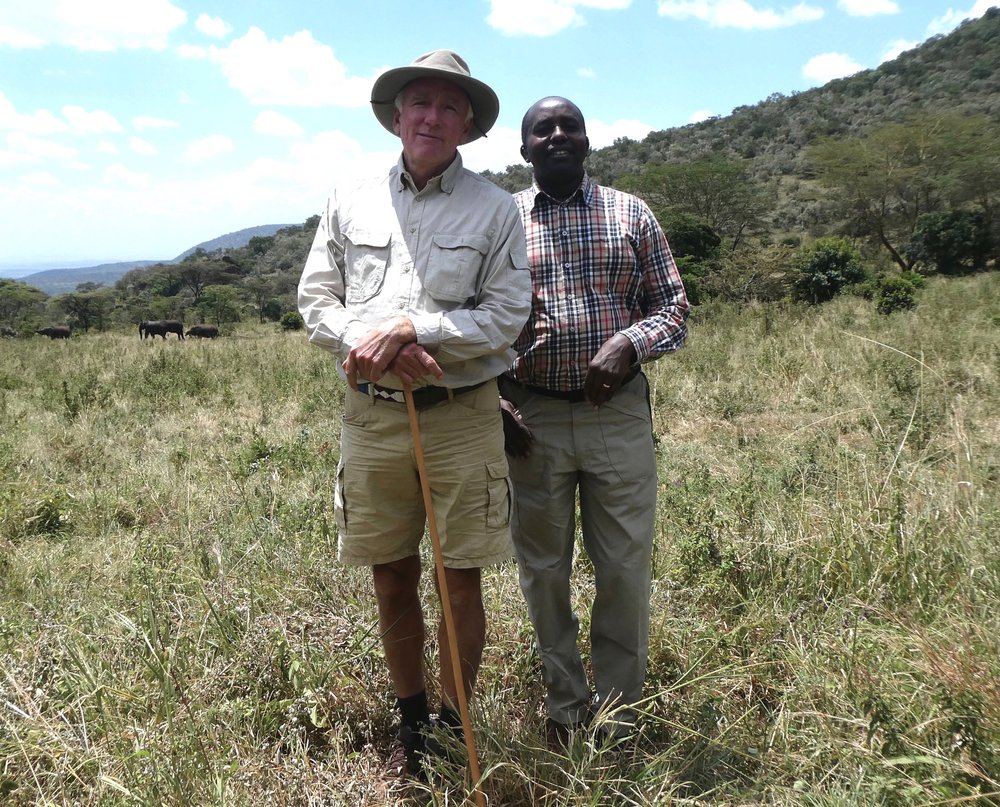
Karl’s connection to East Africa ran three generations deep back to his grandfather, Erik von Heland, who managed Karen Blixen’s famous coffee farm outside Nairobi from 1919 to 1922. Karl was visiting the Mara for Rimoine’s wedding to Eliza. She almost didn’t make the wedding. The Mara was a complete mud bath . During that visit, Karl told Rimoine about his long-held dream of building an eco-lodge in Kenya. A few years later Rimoine found the perfect spot. He could see why the eco lodge was a great idea. It could help with the education for girls in his community and protecting the corridor that the wildlife depends on.
The Camp
Entumoto Safari Camp sits on the edge of the Mara Siana Conservancy. Thick bush slopes roll down to three dense valleys that open up to the Mara savannah. The camp itself is intimate and exclusive. Fourteen tents nestled into the hillside with unobstructed views of the plains below. The elevated position is deliberate. It gives guests a sense of arrival, of landing somewhere that feels earned.
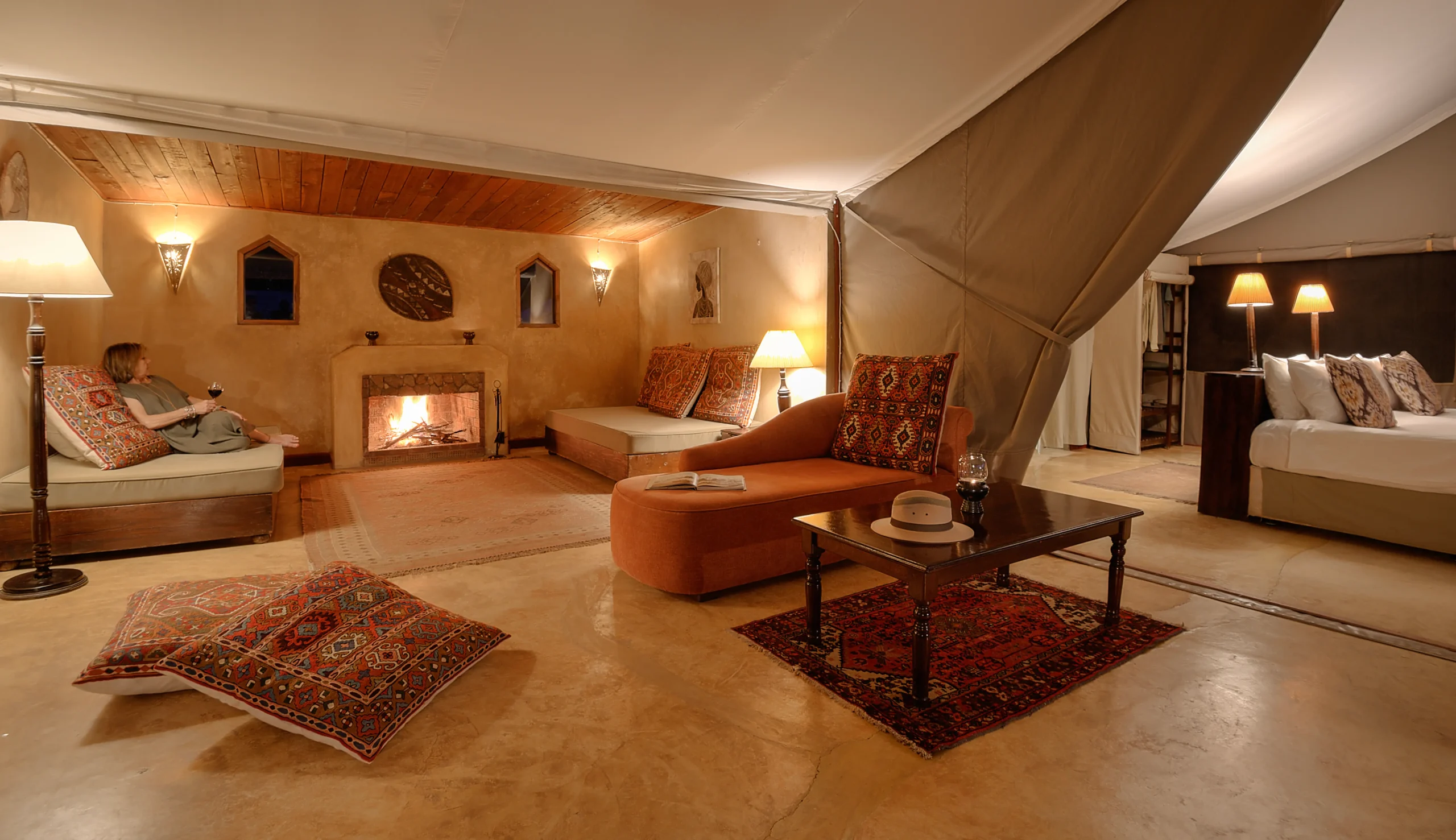
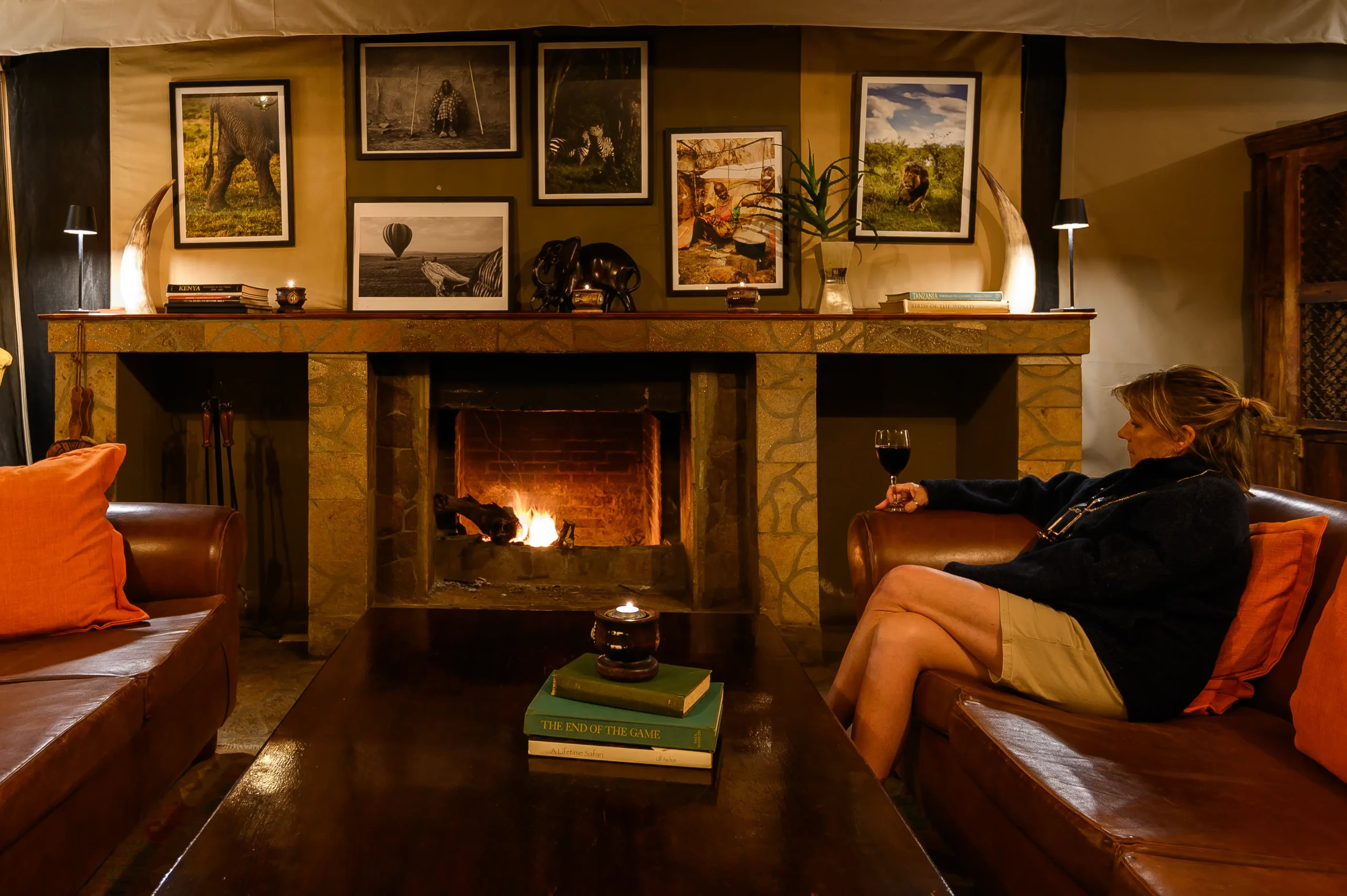
The Tents
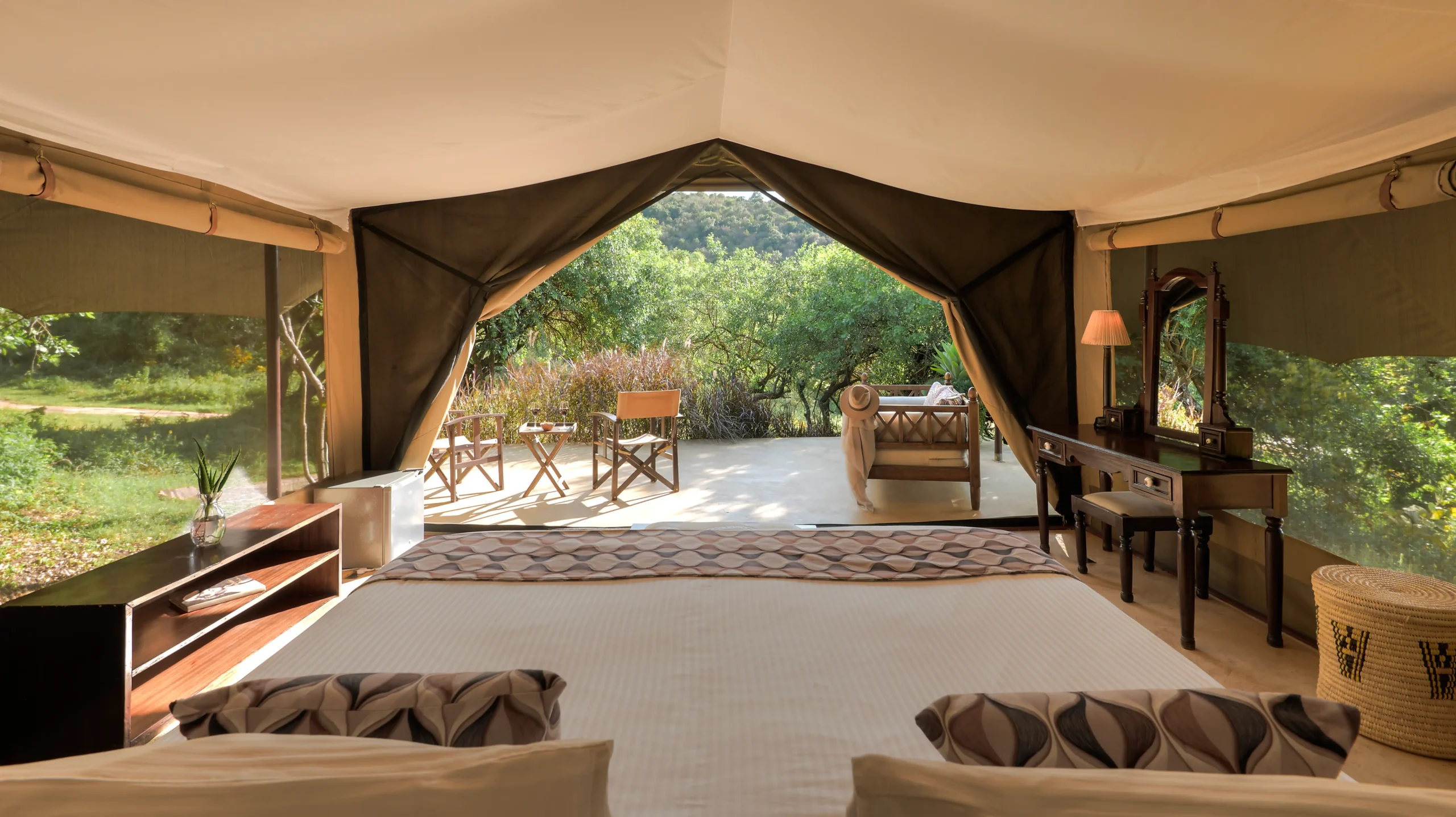
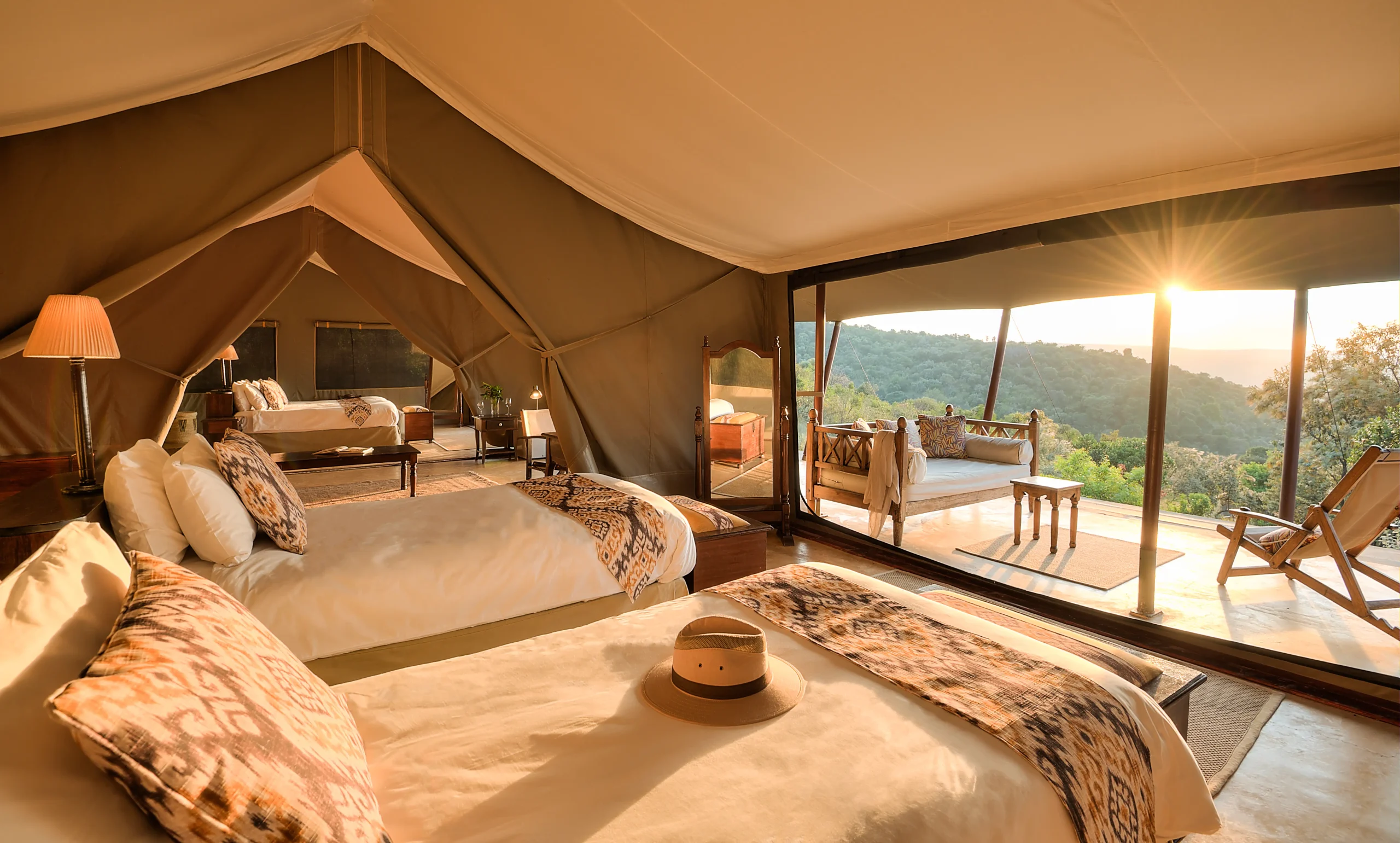
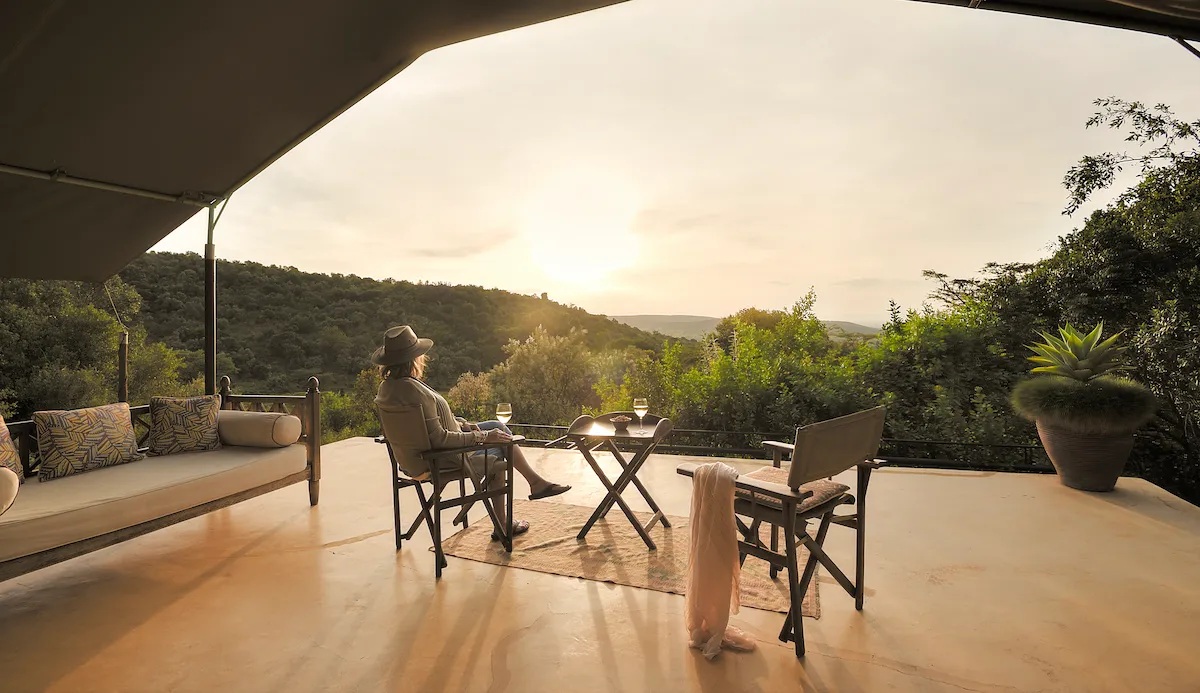
The luxury tents open their large canvas panels onto private verandas, the rolling hills and thick bush valleys spread below.
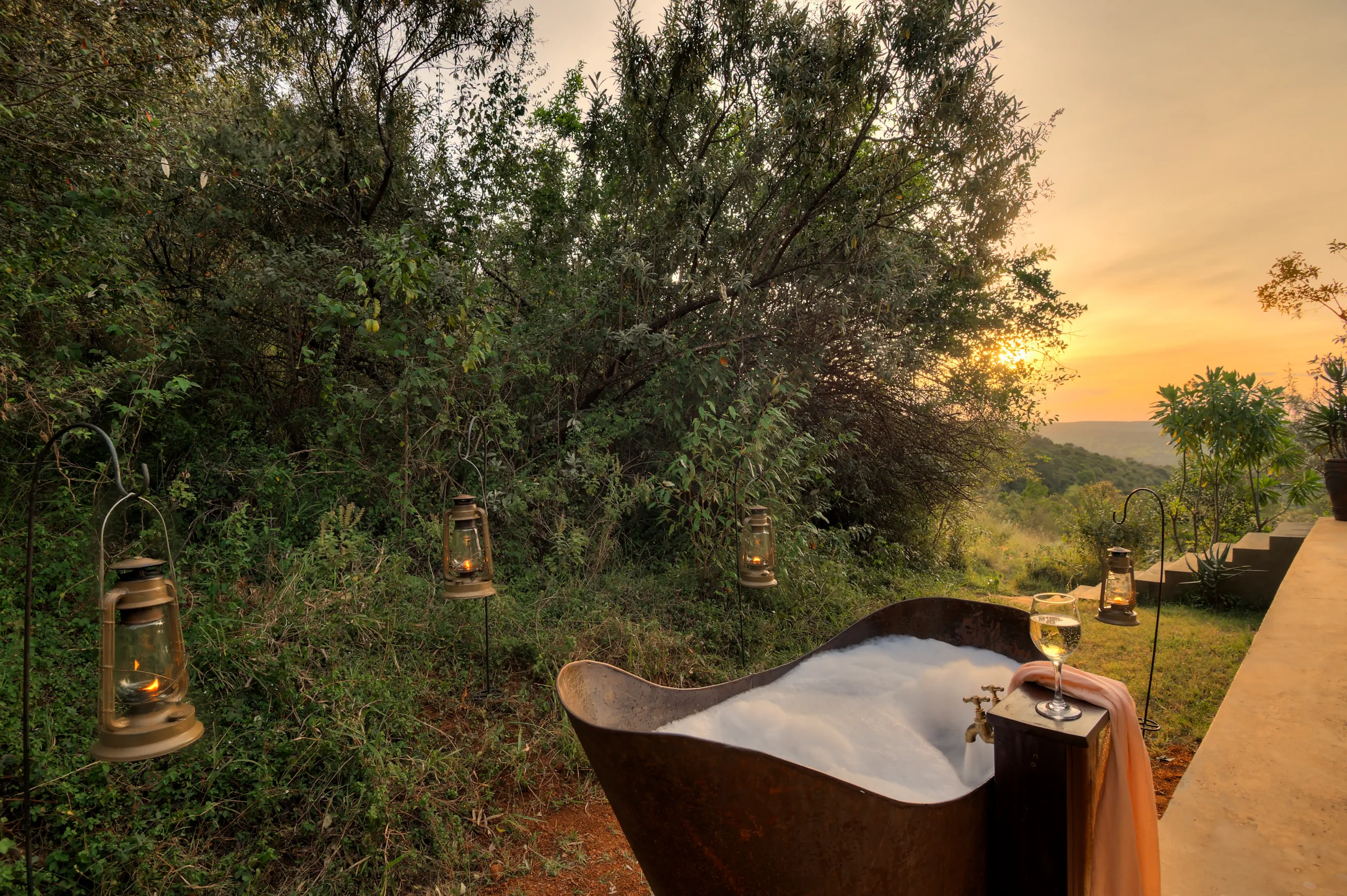
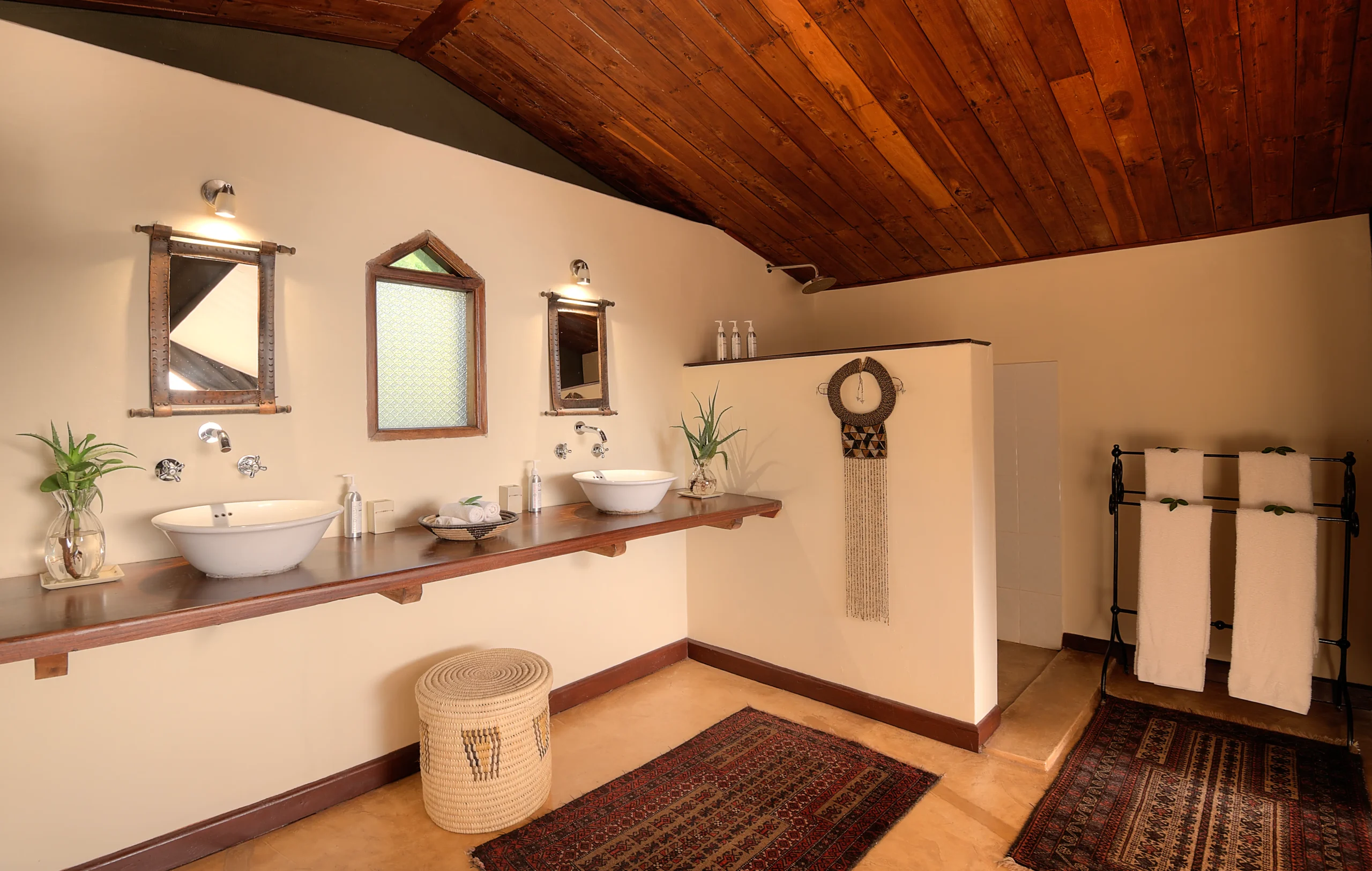
The tent interiors have a mix of ochre walls and dark wood furniture, stone fireplaces and the local crafted carpets and Maasai artifacts. The outdoor copper bathtubs with lanterns around them are set for sunset views of rolling hills
Activities
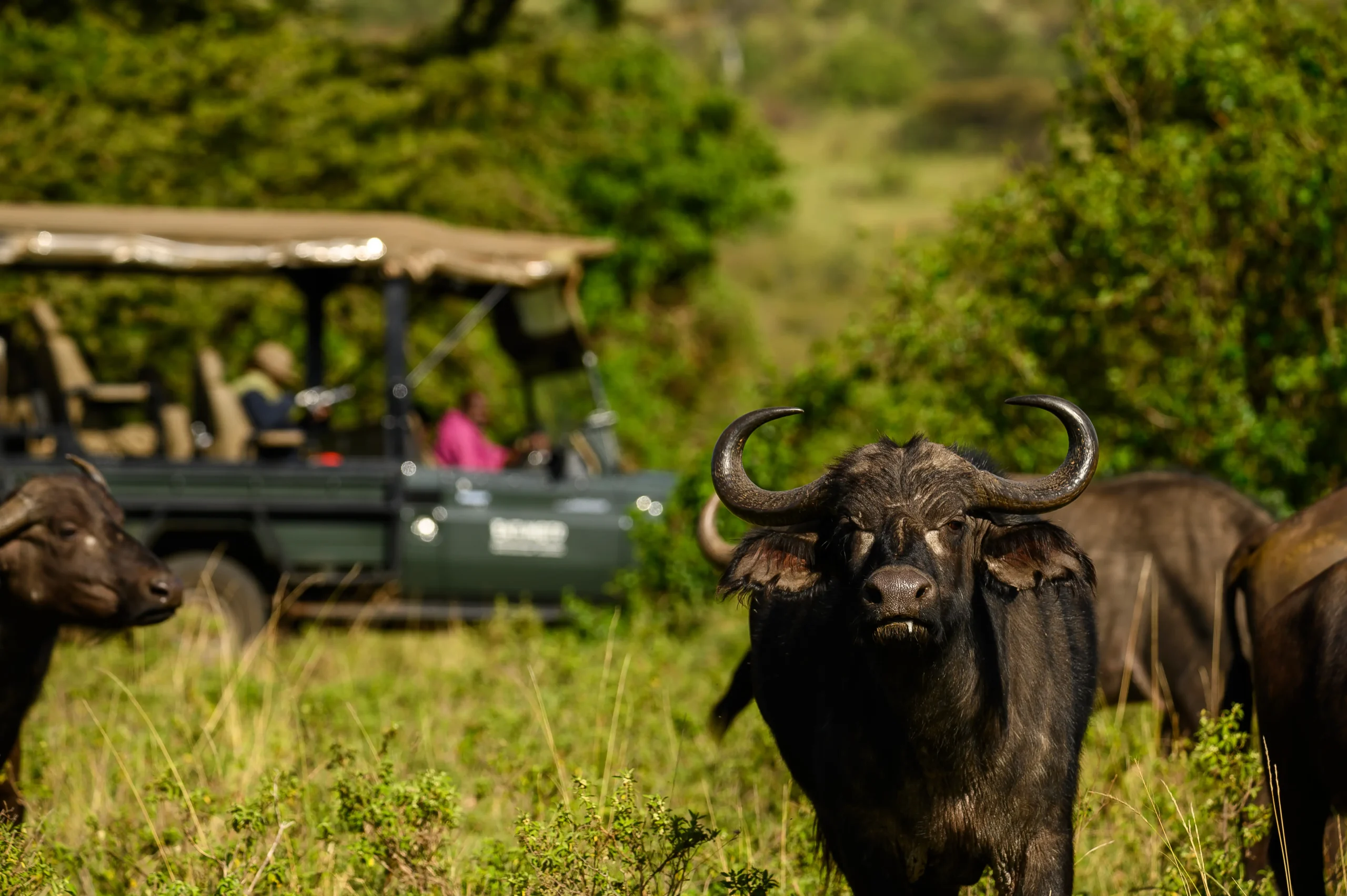
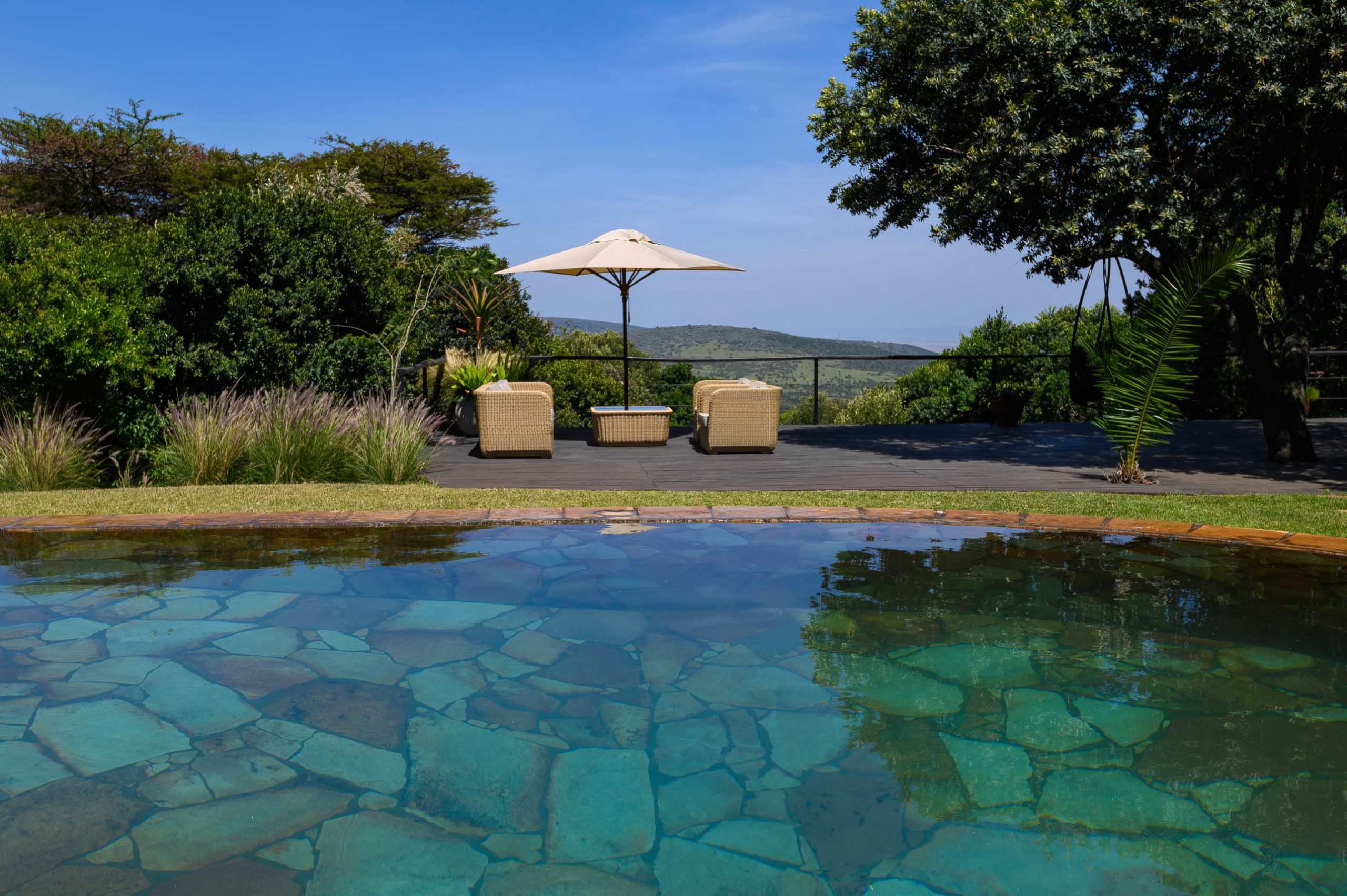
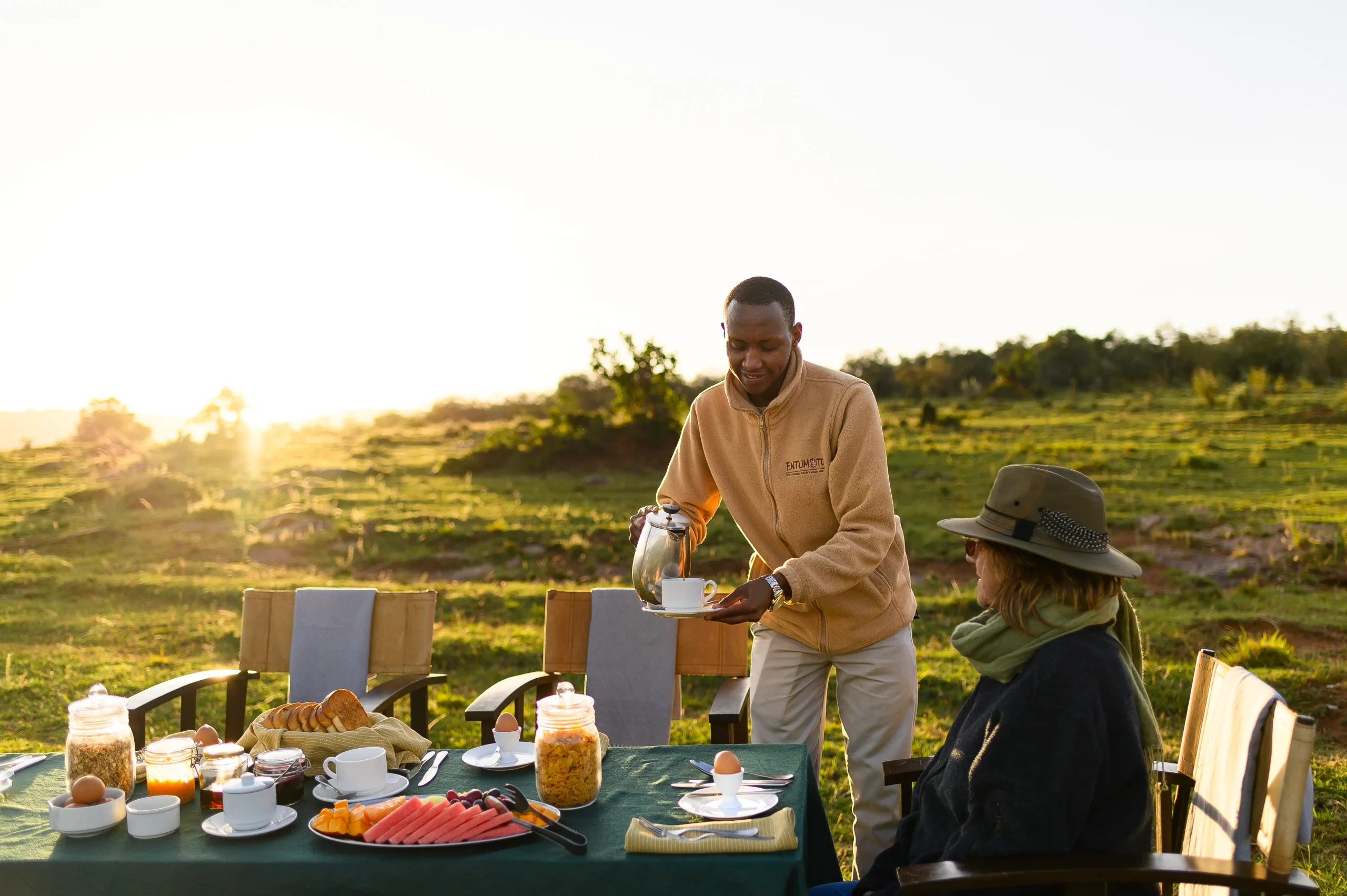
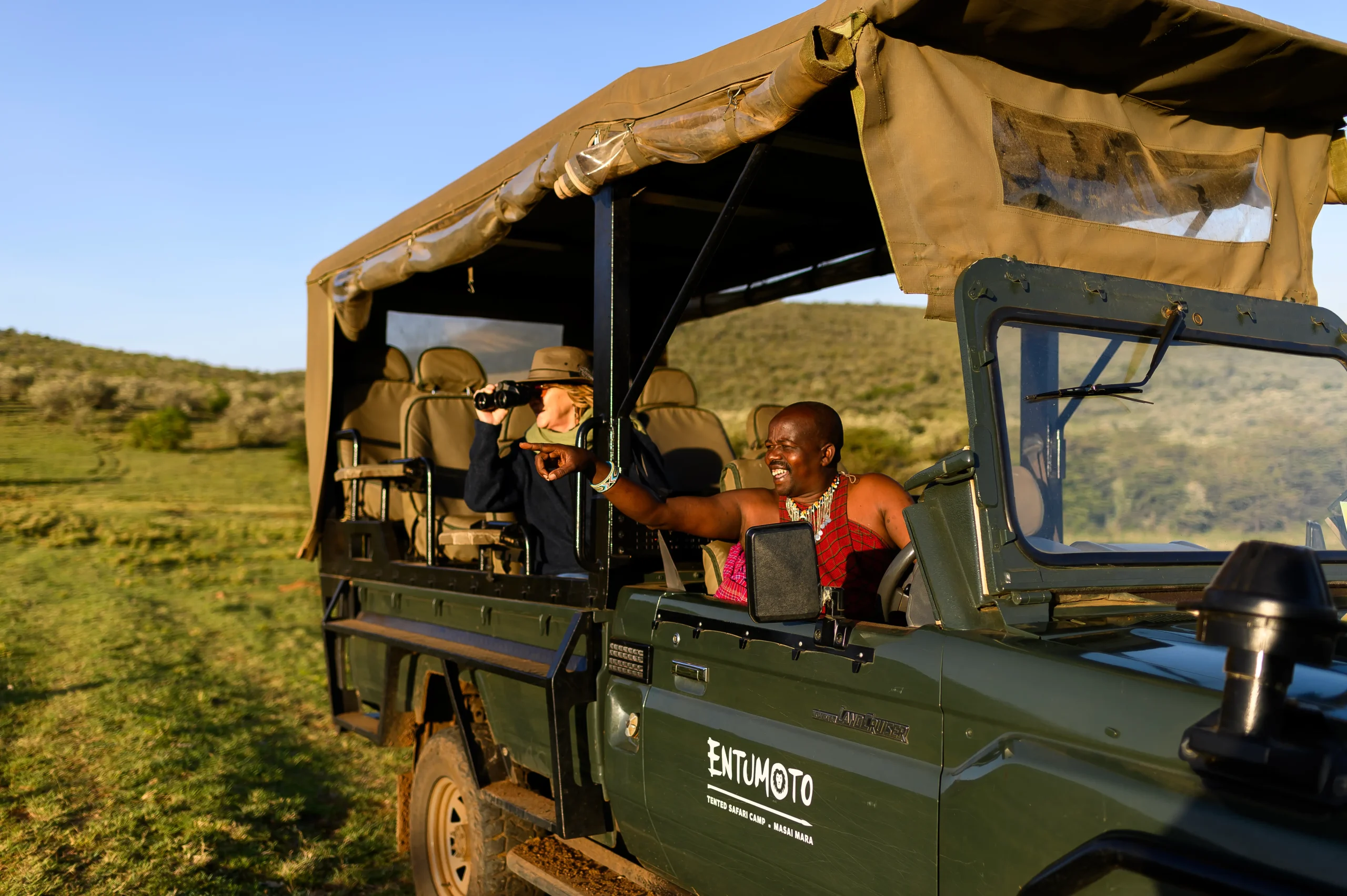
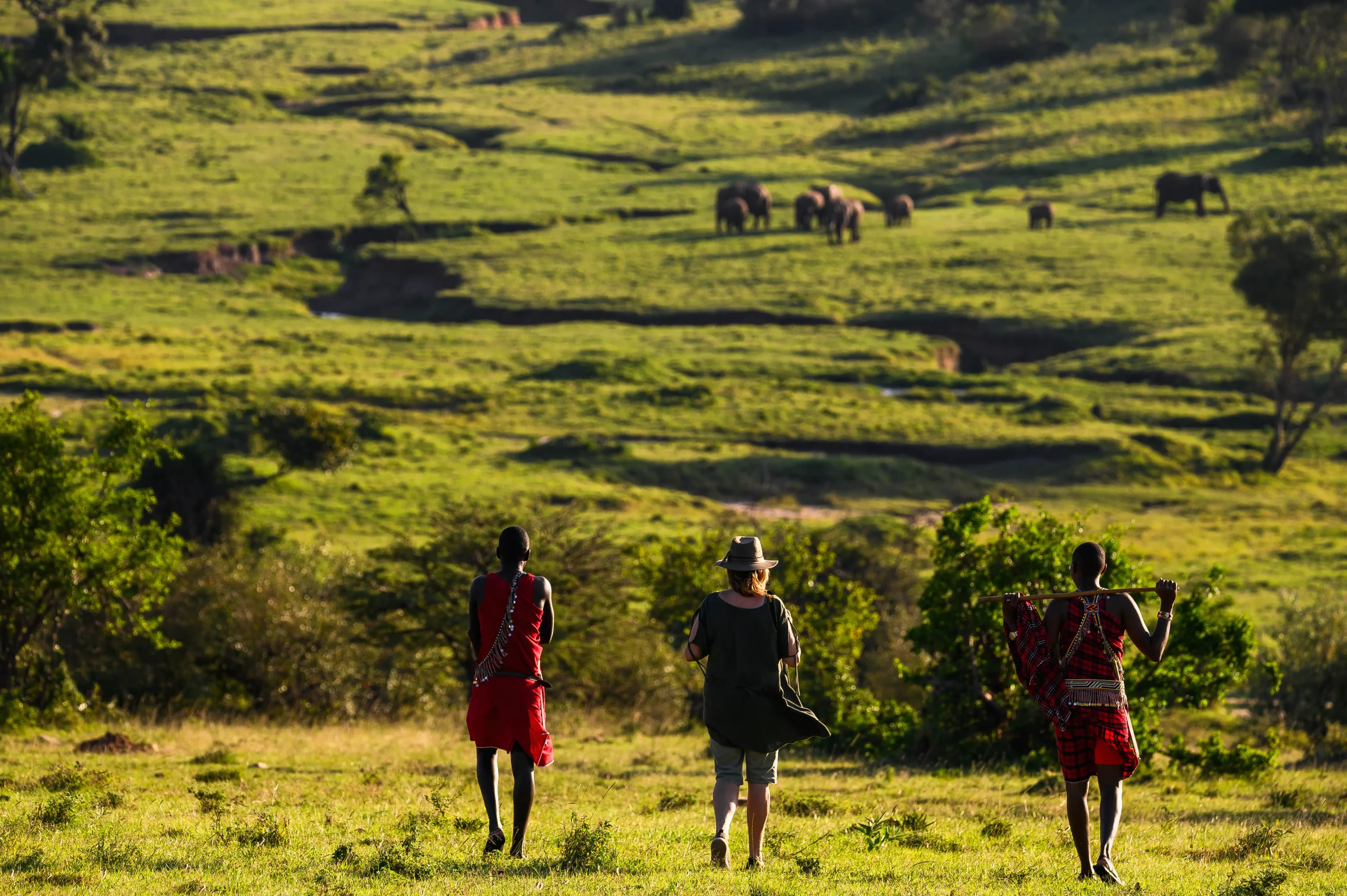
With a wooden deck built by the pool, guests can enjoy yoga at sunrise and sunset overlooking the bushy hills and rolling savannah. Throughout the day, guests go on walking safaris and enjoy bush meals with wildlife in eyeshot. The guests get personalised game drives unlike the main reserve which gets crowded. Guests gather around the camp’s central fire before heading out on a night game drive where they can spot the nocturnal wildlife.
The Rescue Centre
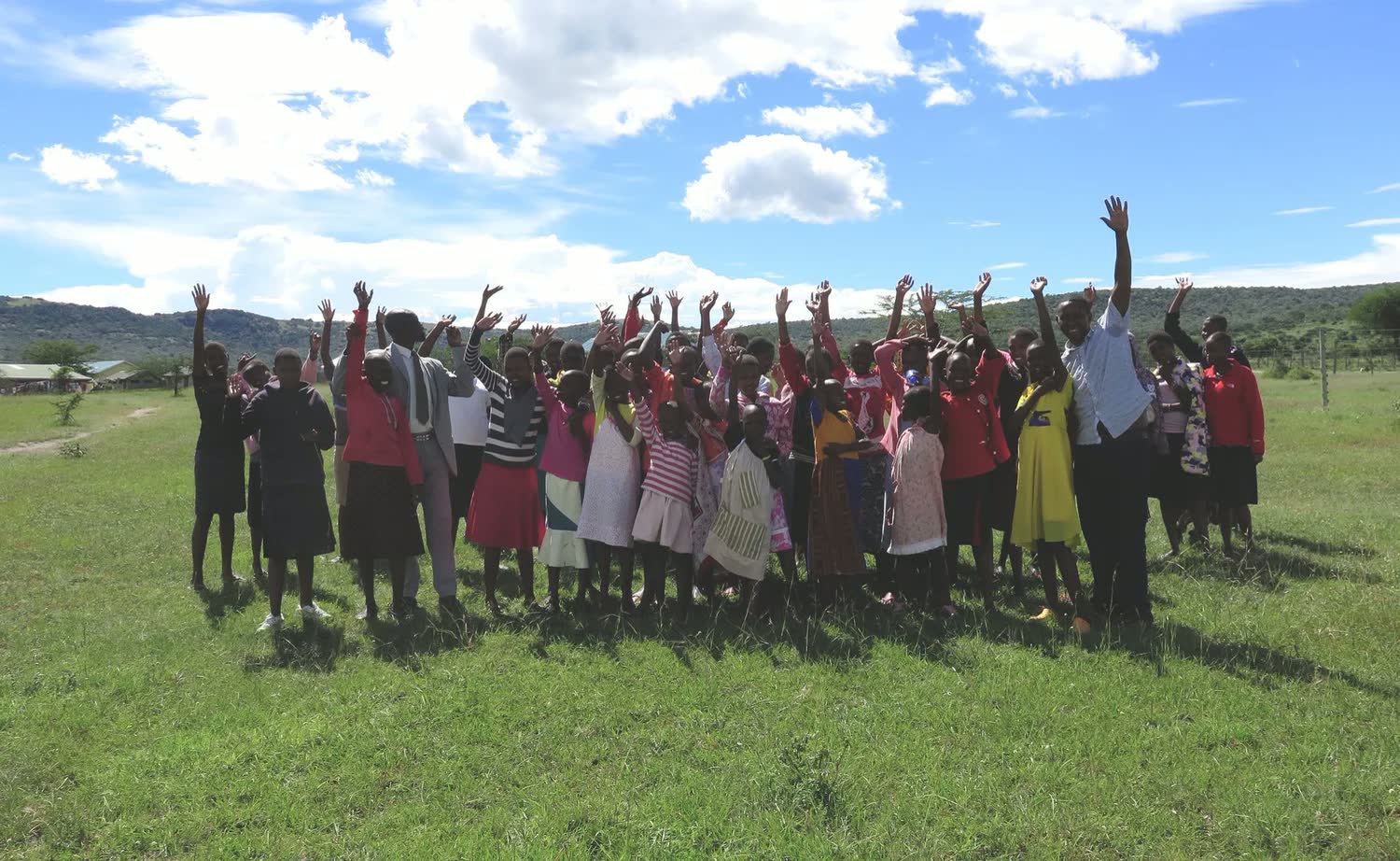
Guests visit The Rescue Centre, a safe haven for girls who were at risk of early marriage and FGM in the local community. Guests get a chance to hear the girls’ past stories and what they want for their future. The center is fully reliant on donations and guests are welcomed to give what they can. They are in the process of constructing an educational kitchen to be used in vocational training in cooking and housekeeping.
Peder von Heland
When Entumoto was being built, there was another person that was crucial to its success. Peder Von Heland, Karl’s son. At the time of construction, Peder was running a tent company in Sweden. The original tent contractor at Entumoto disappeared with funds that caused the construction to stall. Peder flew down to Entumoto and quickly re-organised the local workers and got to work. With his input, Entumoto was able to be up and running only a little later than originally planned.
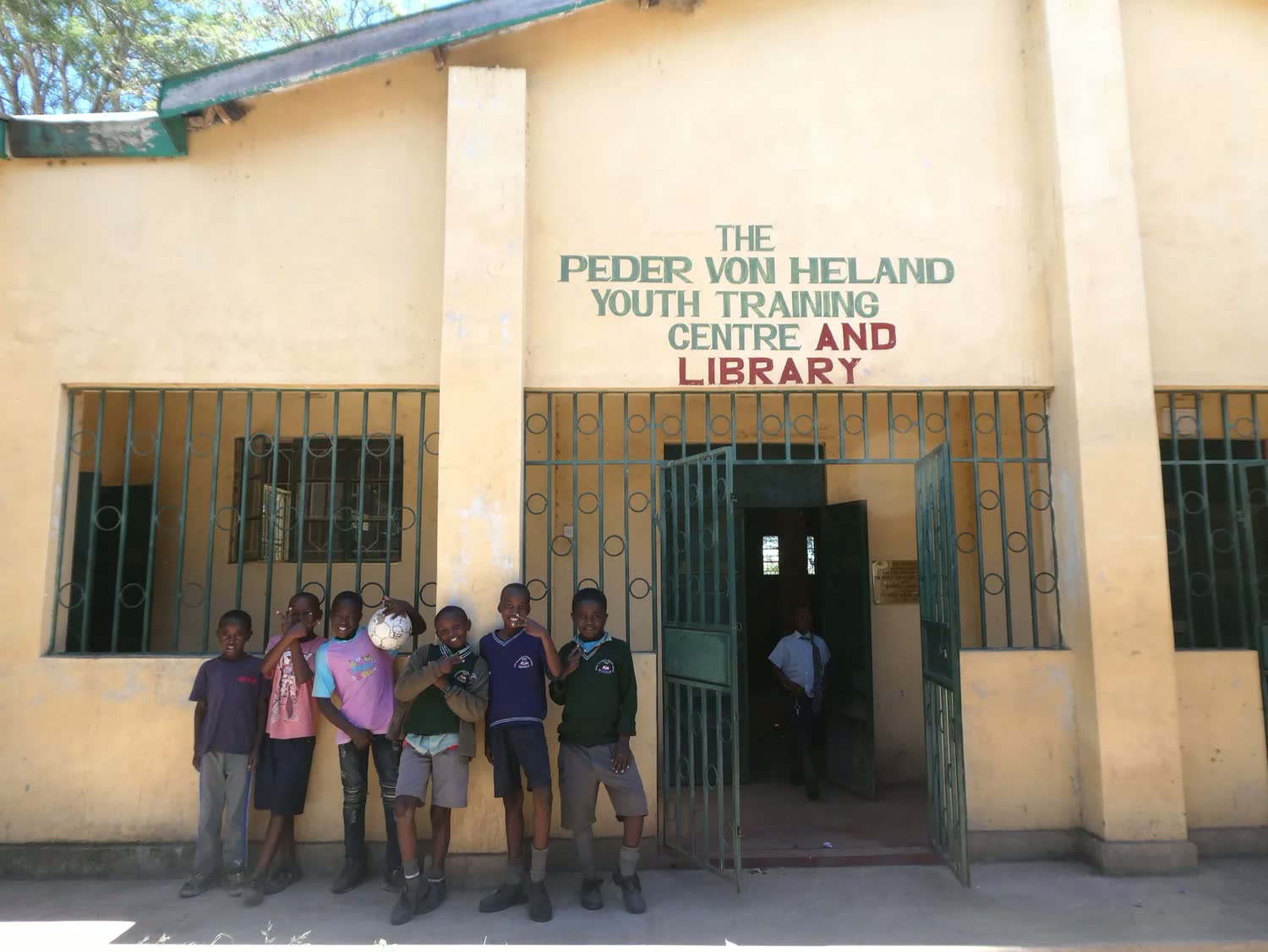
When Peder passed in a car accident almost 15 years ago in Sweden, the family established a small fund. This fund went ahead to help facilitate some projects in the area. One standout is the youth center at Sekenani Secondary school named after him-The Peder von Heland Youth Centre and Library.
His love for the land and its people was one everyone seemed to admire.
“It felt like an appropriate legacy for someone whose connection to Kenya had always been as much about the people he met as the place itself.”-Felix Von Heland, Peder’s younger brother.
A Swedish family connected with a Maasai man and forged a friendship that led to a sustainable boutique camp that saved a vital wildlife corridor. It built communities that led to the Rescue Center and also offers internships to students from local schools to further their development and experience such as aspiring guides.